
I thought for this fourth in the series on “What to Read During a Pandemic” we should at least try to confront the “elephant in the room,” so to speak. Up until now I have given you ways to escape, books that show us how to persevere in trying circumstances, and books that are reassuring, but today lets confront what is keeping us inside while we watch the world we know fall apart. Today I want to share some non fiction books that explain our present circumstances by showing us what has happened before when humanity faced similar or even greater dangers. These books are easily accessible, put things in a historical and scientific context and yet manage to keep your attention. If you are like me the more knowledge I have about what is happening around me and the more I understand what doctors, scientists and researchers can do, the less anxious I am. I know this is not true for many, but if it is true for you then these books should really appeal to you!
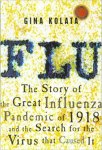 Flu: The Story Of the Great Influenza Pandemic of 1918 and the Search for the Virus that Caused it By Gina Kolata is one of the most interesting and fascinating books I have read. By delving into the history of the epidemic and revealing the latest research on the actual flu virus that caused the pandemic, Kolata give us a nuanced and factual account of what happened and some prescient advice on how to avoid another pandemic in the future!
 The Fever of 1721:The Epidemic That Revolutionized Medicine and American Politics by Stephen Coss could not be more on point or have a more positive message. In 1721 the scourge of small box raged through Boston and the surrounding colonies. As death tolls rose due to the incompetence of the British Governor of Massachusetts, a debate raged among medical and political circles about the efficacy of a new treatment called “inoculation,” smallpox which became the instrument of change, revolutionizing both medicine and the politics of the colonies forever. Coss tells this story through official documents, letters, diaries, newspapers and sermons while giving historical and cultural context to create a full picture of the times.
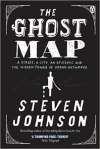 The Ghost Map: The Story of London’s Most Terrifying Epidemic and How it Changed Science, Cities and the Modern World by Steven Johnson is the story of the 1854 cholera epidemic in London. At the time they did not even know what this disease was or how it was transmitted, but a physician and a local curate in one of the most hardest hit areas of London begin to use scientific methods and plot the course of the outbreak on maps so they could track down the source of the illness. As a result of their tireless efforts in finding the cause they forever changed the way modern cities were built and the nature of government in providing infrastructure that would protect its citizens.
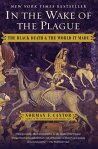 In the Wake of the Plague by Norman F. Cantor, sheds some much needed light on the Black Death during the fourteenth century. We know that it took one third of the populations of Europe, but much of what we think we know about the plague are myths. For example we all know the the children’s song “Ring Around the Rosie.” but few know that it was a song about the physical manifestations of the plague. Cantor uses contemporary literature, documents, diaries, court documents and many other resources to illuminate a dark chapter of history and shows us how it changed the course of history.
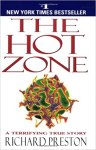 The Hot Zone, by Robert Preston is the true story of a potentially devastating outbreak of an exotic “hot” virus in a Army Research Center right outside Washington in the early 1990’s. Although a bit dated now, Preston’s breathless narrative as he describes the efforts to a avert a human disaster is still terrifying and completely true!
I hope you find something to read here that helps ground you in the facts of what we are facing and provides hope that on the other side of this massive disruption and loss of life, history shows us that these outbreaks can bring positive and lasting change politically, scientifically, medically and culturally.
 Brenda's Bookshelf