At the beginning of this new year, I want to take some time to review what I consider to be the best books I read during 2020.
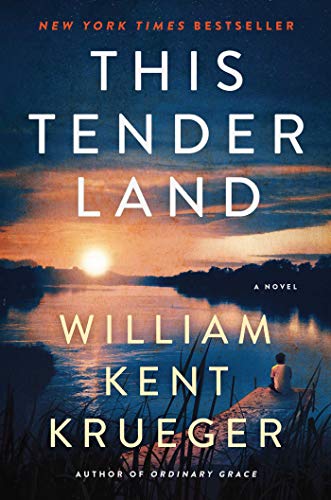 Early in the year I read, This Tender Land by Krueger, which is a novel about the lives of three boys and a girl who escaped from a “school for civilizing” native children during the Great Depression. Using a canoe on the Mississippi River as their means escape, these children have many adventures, giving the reader a glimpse of what life was like during that time of tremendous economic and cultural upheaval.
Krueger’s unique ability to be both clear eyed and sympathetic (not maudlin or polemic) makes this book compelling. Most of the characters in this book are broken in some way, either with grief, mental illness, alcoholism or just by the sheer bad luck of their circumstances and yet Krueger is able to make their full humanity shine through, allowing the reader to see both nobility and pathos in each one. Truly a gifted author, Krueger’s unspoken questions on what makes us human, what do we owe each other and how do we find a place to belong, resonate throughout the book making us ask ourselves those very same questions.
Two non-fiction books that really stood out for me this year are Braiding Sweet Grass by Robin Wall Kimmerer and A Map of Knowledge by Violet Moller
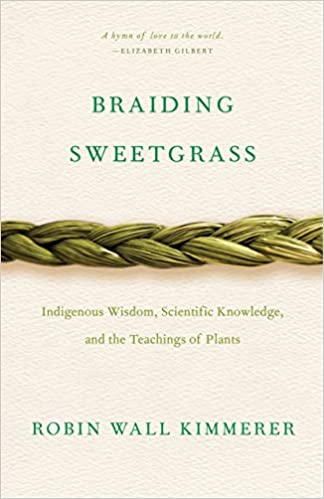 Braiding Sweet Grass opened a way of understanding nature and the relationship between plants and creatures and humanity that was both profound and revelatory. Kimmerer’s writing is lyrical and poignant. She tells stories of her family, of the students she has taught, of the wise counsel she has received from Native Elders and the unexpected insights she has learned in her research and in her own backyard. As someone said, this book is “a hymn of love to the world” and Kimmerer extends an invitation for all of us to join in with three part harmony.
A Map of Knowledge was insightful in a different way, tracing the way knowledge gained before the Dark Ages was preserved and then spread in many different ways, fueling the Renaissance. 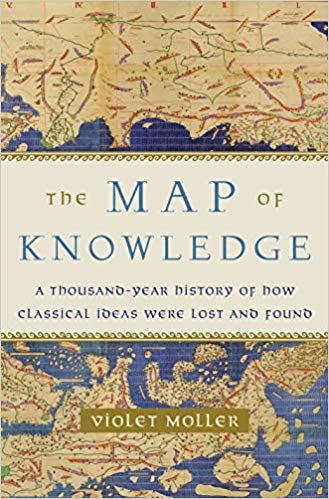 Moller’s clear writing style, and obvious excitement for her subject help keep this book informative and entertaining while at the same time imparting many important facts and historical context. One thing that came through loud and clear is that without the free flow of ideas and without the encouragement from leadership and government to pursue scientific research and knowledge our world would be a very, very different place today. A lesson that we seem to need to relearn once again.
The Mirror and the Light , the conclusion of Hilary Mantle’s series on Cromwell was a tour deforce! Knowing what happens is often a drawback in reading historical fiction, but Mantle approaches this with such mastery of the content and with such a deep understanding of Cromwell, that knowing how it ends becomes less important than why, Cromwell fell from grace so precipitously.
This series, beginning with Wolf Hall and Bringing up the Bodies is a wonderful exploration on the limits of power and the ways in which we lie to ourselves about the evil we do. Mantle’s Cromwell is both enigmatic and vulnerable. He desires power, but he dislikes its use. He seems bold and fearless in his actions and yet he regrets the things he does. Mantles’ Cromwell is much more complicated and nuanced than the Cromwell I learned about in history class and I think when we can see historical figures in a larger context and with more nuance we are more likely to see ourselves in the mirror.
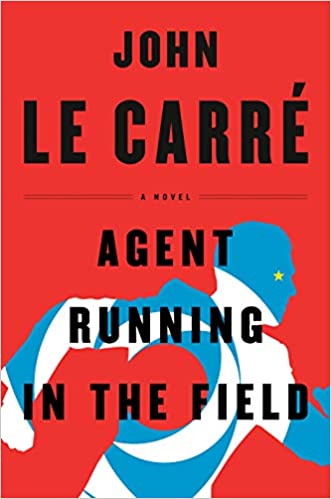 John Le Carré last book, Agent Running in the Field, is told with all the mastery and aplomb that you expect from Le Carré. This novel is a fascinating inside look into what it means to be a spy in the time of Brexit and Trump. As always, Le Carré creates characters that are interesting and complex and his plot lines are satisfyingly twisty and exciting.
It is strange to see how our current reality looks when you read about it in a novel; the chaos, the loss of American influence, the pettiness of Trump and how that trickles down through diplomatic channels with our closest allies. But Le Carré weaves these political realities into his storyline seamlessly, and that reality gives added credence to the entire plot line. He is able to hit that sweet spot between being exciting but not sacrificing character development for thrills. Le Carré is truly a master storyteller and he will be sorely missed!
Some honorable mentions for this year are as follows: Testaments by Margaret Atwood; Inland by Tea Obrecht, Station Eleven by Emily St. John Mandel and The Winter Soldier by Daniel Mason.
I hope you will find as much joy and insight from these books as I did!
Enjoy!

